Would I buy premium property in New Zealand now?
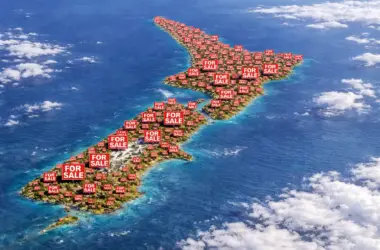
New Zealand’s premium property market is in a correction. For most vendors and their agents, that’s a problem.
For the right buyer, it’s an opportunity.
Since March 2026, AIP Visa holders can purchase residential property valued at NZD$5 million or more. Some citizens don’t have the minimum property purchase threshold, like Singaporeans.
International interest is rising. But the more compelling case for buying right now has nothing to do with visa policy.
It has everything to do with value.
How I assess premium property in New Zealand
I sometimes see more than 30 premium properties (including development land) a week.
My role is to assess whether they’re a good acquisition for our private clients, looking at factors such as location, property quality, occupant health, and long-term resale value.
Essentially, the question I’m trying to answer is simple:
Is this property a good investment?
At the moment, New Zealand’s property market is less than ideal for premium property vendors and real estate agents. Like many countries, we’ve experienced a significant correction over recent years, particularly in Auckland.
So, would I buy in this market?
My answer is a resounding YES.
Why the building industry changes everything
Why?
Because in my experience there are a lot of properties currently for sale that can be purchased for less than it would cost to build them in their current condition.
Put simply, the building industry is out of control.
The cost of building for someone who doesn’t know how to build affordably, which in my opinion is around 99% of the building and construction industry, is alarming for what you get in return.
We regularly hear of house build costs exceeding $20,000 per square metre in places like Queenstown (and other places too), and before you ask, they’re not lined with gold, and in many cases nothing special.
It also doesn’t mean that the same house built by another team for half that cost will be any different in quality, in fact it could be better. There are literally no rules.
It’s true many people think paying more means getting better, but in my 37 years’ experience in the building and construction industries I’m sorry to say I don’t agree.
As long as there are people willing to pay those insane rates, and more, for luxury homes, the industry will continue to happily supply them.
Distressed sales and what they do to the market
At the same time, there are many distressed sales occurring across the market. Divorce, increasing living costs and loss of income are putting some vendors in very difficult positions.
That, in effect, drags the rest of the market down because a non-distressed vendor is often being compared to a distressed vendor’s willingness to sell.
This is exactly how a real estate agent appraises a property. Not on its true replacement value, meaning the cost to buy the land and build the house again to the same standard, but on what similar houses have recently sold for, or are asking.
Remember, appraisals are mostly opinions.
Most real estate agents don’t know the true cost of building a house, or even how it’s constructed, and nor should they. They are not trained to do so. All they should know is what their vendor tells them about the listed property and what has sold recently to compare.
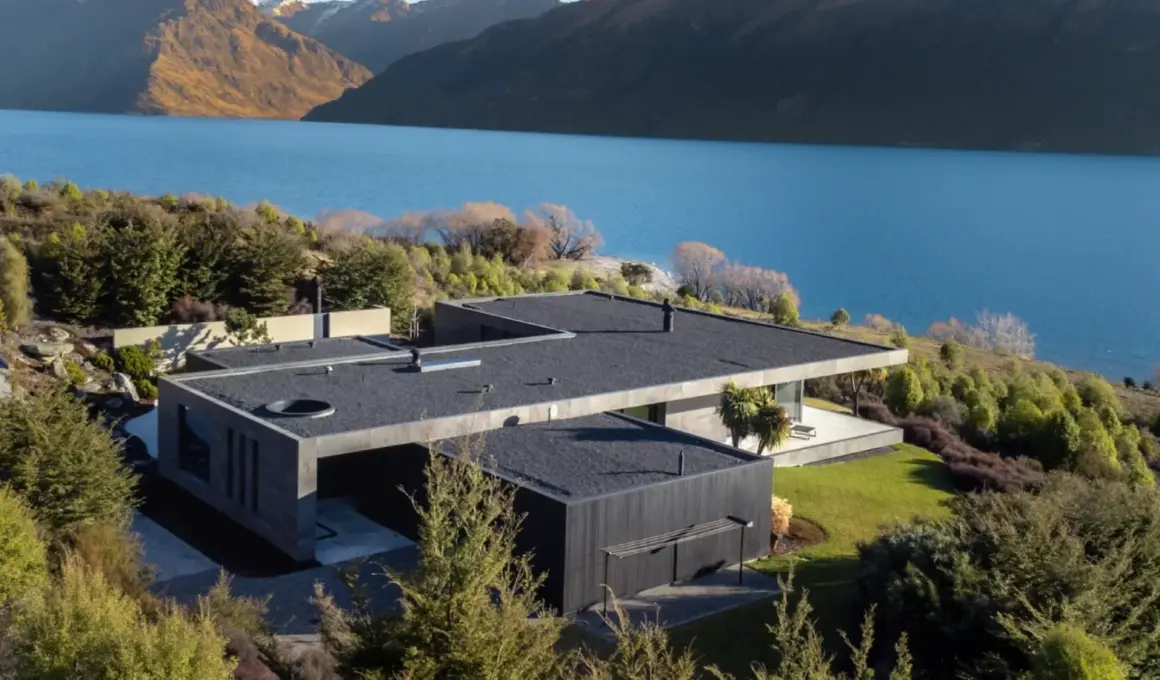
As an example, I recently invited four real estate agents to appraise a home in an affluent Auckland neighbourhood. The variance between the appraisals was literally millions of dollars.
The rebuild value of the home, including land, construction, professional fees, council contributions etc. would be between $6 and $7 million in today’s market by a traditional builder. Maybe more.
The appraisals ranged from the high $3 millions to the high $5 millions.
So what was the property actually worth in this depressed Auckland market?
Was the higher appraisal someone buying the listing, or were they closer to the property’s true value?
Was the lower appraisal a mistake, negligence, or simply a reflection of recent comparable sales? Based on my research, it was in this case the agent not doing their homework properly.
The rule of thumb I use for every premium property in New Zealand
There are many factors involved in determining the value of a property, but my rule of thumb is relatively simple:
Can I buy this house for less than it would cost to reproduce it to the same standard?
If the answer is yes, then I generally feel it is a property worth looking at, and obviously in a good suburb, on a good site, orientating correctly, has potential, and has a good feel. I could go on, but it’s a good yardstick for me.
Would I buy land to build?
One final question.
Would I build in the current economic climate?
My answer is nearly always yes, because you can get an entirely different outcome to buying existing, but only if I had access to the right team, the right building systems, the right suppliers, and a house design optimised for those systems from the outset.
I’m not going to give away my 37 years of industry learnings here, but there are ways to get exactly what you want at the right price, like everything, you just need to be in the know.
The building industry has many talented people, but like every industry, traditional ways of doing things tend to persist even if they produce poor results for the high investment. There is often little incentive to change them when customers continue to pay the price.
We’ve been talking about affordable housing around the world now for over a decade, yet houses are getting smaller and more expensive – so is the industry and local government really interested in solving these issues? Even at the top end of the market, the industry hasn’t solved the cost-to-value equation – they’re all marching to the beat of the same drum.
So, buy existing or build today?
If you’re looking at buying premium property in New Zealand then in my opinion it’s a good time to invest as long as you’re buying in the right location, the right property, with the right support.
In many cases, you can buy an existing home for considerably less than it would cost to build it to the same standard. As an investor, that’s a proposition I find difficult to ignore, whether you’re new to the market or reassessing it.
Related
AIP / Golden Visa NZ: Buying Property Without Costly Mistakes
Off-Market Luxury Property: Why It Works for Sellers and Buyers