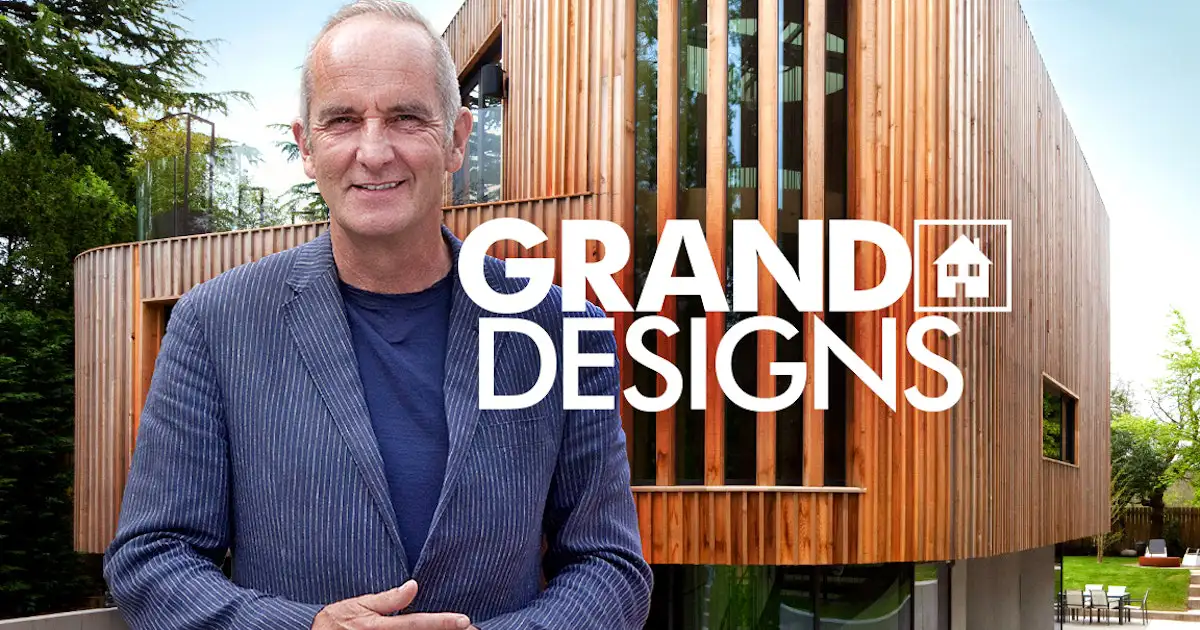
The Reality TV Pioneer
It’s perhaps no surprise that Grand Designs is one of my favourite TV shows. I was working in construction when it first screened in the UK some 26 years ago. What I believe was supposed to be a programme about design – by Kevin McCloud, an architect – actually turned out to be, for me, the first reality TV programme, even before Big Brother aired in Europe.
The reason for my reasoning is that almost every couple on Grand Designs were inexperienced and didn’t know the first thing about designing and building a home. They cut out important trades thinking they would save money; in reality, it cost them much more than their original trade-provided quote.
The Human Cost
Not only did their builds take much longer, they also struggled to focus on their existing jobs – in some cases having to leave them. Their relationships suffered, mainly due to financial pressures, with some divorcing as a result. Some turned to alcohol, some got pregnant – which may be linked to the alcohol. Some aged dramatically before our eyes. Some lost it all. This surely was the truest form of reality tv, then, and today.
Most couples on Grand Designs were often faced with larger than expected build costs for their dream home, so decided to cut corners. This drastic decision frequently created more problems than it solved, leading to rework, delays, and ultimately higher expenses that could have been avoided with proper planning and professional involvement. I think the key issue they forgot is trades get better pricing for materials and products, even when they add a healthy markup, whereas Joe public get very little help from the suppliers. In fact, many get price gauged.
The Planning Fallacy
The planning fallacy is perhaps the most consistent theme across all episodes of Grand Designs. Even experienced builders grossly underestimate time, costs, and complexity. It’s astonishing how a project estimated at £300,000 somehow balloons to £500,000, and a 12-month timeline stretches to two or three years. Some builds even took more than a decade to complete. Yet time after time, each new couple believes their projections are different – more realistic, more carefully calculated, and based on what experience? They’re almost never right.
Weather: The Unpredictable Enemy
The weather deserves its own credit as a recurring villain in the Grand Designs story. How many Grand Designs projects have we seen derailed by unexpected rain, snow, or wind? Foundations flooded, timber frames erected just before a storm, render that won’t dry in the damp autumn air. The successful self-builders are often those who built weather contingencies into their plans or, better yet, scheduled the most weather-dependent work during the most favourable seasons. Savy designers would choose more efficient building systems, yet I would say this is less than 5% of the Grand Designs builds globally.
Knowledge Gaps
How many architects got fired because nothing was going to plan? The reality is there’s an enormous knowledge gap between client and trade, and even trade to trade. I liken building to herding cats – just as you get control of one task, another goes astray.
The Emotional Journey
What’s rarely discussed before breaking ground, but painfully evident in every episode of Grand Designs, is the emotional toll these projects exact. The sleepless nights, the constant stress, the arguments over seemingly minor details that have major budget implications. We’ve watched people visibly age over a single episode, their bright-eyed optimism from the first frames replaced by exhausted determination by the final reveal. This psychological burden is perhaps the least anticipated aspect of self-building. I don’t believe there’s one self-builder who understood how many decisions they needed to make, and quickly. The procrastination was comical at times, costing them in delays and strained relationships with their builders.
Avoid Variations
Perhaps the biggest cost of all was the variations. Clients second guessing the size of a room, or lost views. This cost alone was more than financial, adding more strain on the builders who wanted to get to their next job.
I wonder if Kevin McCloud ever thought that his remarkably successful show would turn out like this. I wonder if he thought that the show’s format would kickstart a number of shows around the world covering everything from buying homes and renovations to new builds, and how Grand Designs would go on to be a success in New Zealand and Australia a decade or so later.
I wonder what Kevin would say are the key mistakes everyone makes, and whether he ever tells anyone at the beginning of their journey? Maybe he just wants us, the viewers, to see the cracks appear in the relationships as the first-time self-builders grapple with all the shady characters, weather issues, and supply challenges during the build.
Passion vs. Practicality
There’s also the perpetual battle between passion and practicality. The most successful projects on Grand Designs seem to strike that delicate balance between creative vision and functional reality. We’ve seen breathtaking artistic statements that leak when it rains, and ambitious eco-houses where the sustainable technologies fail to perform as promised – or cost outweighs the investment. Conversely, the homes that truly shine are often those where wild dreams were tempered – not abandoned – by practical considerations.
We’ve seen the good, the bad, and the ugly of the building industry, and I don’t think one project on Grand Designs didn’t experience supply chain delays. We’ve seen groundwork issues far too often. We’ve seen people pay far too much for their properties. Why is it no one seems to learn from other people’s mistakes?
Bureaucratic Battles
Local authorities and planning regulations provide another consistent source of drama on Grand Designs. How many times have we watched in horror as a project gets stalled for months, and even years, by unexpected planning restrictions or building regulation challenges? The bureaucratic maze of permits, inspections and approvals has trapped even the most prepared self-builders, often adding tens of thousands to the budget and months to the timeline.
Every applicant to be on the show must have watched previous episodes of Grand Designs and thought “that won’t happen to me,” yet they make the very same mistakes. Why is that? Is it human nature? Is it “I know best”? Arrogance even? My grandmother told me when I was a kid “a fool and his money part easily”.
The Power of Contingency
The importance of contingency planning cannot be overstated. The projects on Grand Designs that seem to weather the inevitable storms best are those with realistic contingency funds – typically 10-20% of the total budget. When the Victorian foundations crumble unexpectedly or the specialist craftsman doubles his quote, these prudent builders can absorb the shock without the project grinding to a halt. Those running on financial fumes from day one inevitably face the most painful compromises.
Living Arrangements
Then there’s the often-overlooked matter of where to live during construction. Those who arrange proper temporary accommodations tend to fare much better than families cramped in caravans on site or attempting to partially inhabit unfinished buildings. The additional strain of inadequate living conditions while managing a complex build only compounds the stress and often leads to poor decision-making.
Industry-Wide Issues
Now you may think that these industry-wide problems mainly happen to first-time self-builders, and you’d be wrong. I’ve seen experienced property developers do well on one project and lose it all on the next. We’ve all seen the cost of building blow out of control, yet the industry just carries on, almost oblivious to the mounting financial struggles we face.
I’ve always wanted to make a Grand Designs-Esque TV programme that is about education and improvement. But to date, I haven’t made the time to produce it or fund it. Would it be well received? I mean, as soon as you mention education in the building industry, it seems as well received as another health and safety lecture.
Learning from Grand Designs
If an extremely successful international TV programme like Grand Designs can for decades show us what we’re doing wrong, yet we don’t learn from our mistakes, then what hope have we got for encouraging more self-building around the world?
For those who can learn and prioritise optimised design, efficiency, and productivity, I strongly urge you to take up the task, as there are few achievements in life that will reward you more than building your family home that your family will cherish and grow up in.
My final word goes out to the Grand Designs team, and of course the ever-present Kevin McCloud. This programme singlehandedly made me question our builds and practices. It made me laugh and made me marvel at what people are prepared to do to see one of the most financially demanding achievements in their lives become a tangible reality. Kevin, I thank you.