Part 2: Finding and Viewing Property
Seeing Past the Staging
Viewing property is a game. You versus the vendor and their agent. Two parties wanting different outcomes: you want a property, the vendor wants your money.
How much you pay can be entirely the result of how you play. Think of it like poker. Would you show the other players your hand?
Most buyers do exactly that. They walk into an open home and broadcast everything: their excitement, their budget, their urgency, their emotional attachment. They’ve lost before they’ve started.
This guide is about playing better.
The Staged Experience
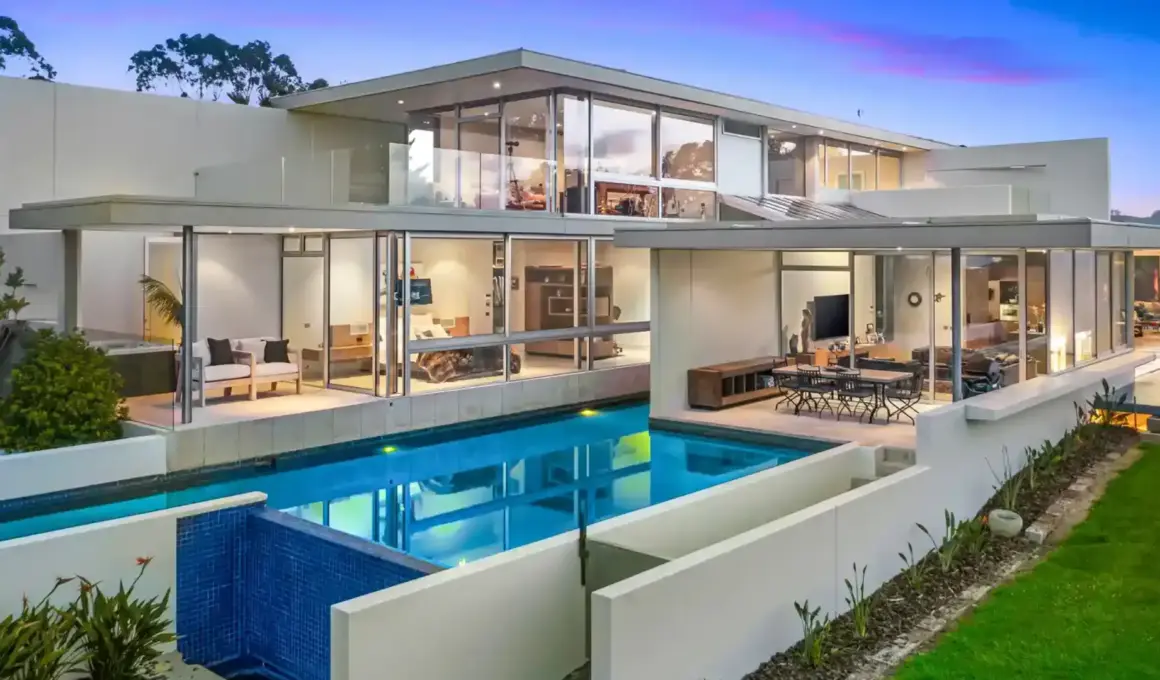
The first thing to understand: you’re not seeing a house. You’re seeing a production. Smell, music, furniture, lighting, timing. All deliberate. Staging exists to reduce friction and maintain momentum, not to help you make a better decision.
Treat presentation as noise, not signal.
What to Actually Look At
The furniture leaves. The building stays.
On a first viewing, I’m imagining movement and usage. How well does the space fit my needs? What do I normally do that can’t currently be accommodated?
I look at ceiling heights, building and window orientation, natural light with the lights off, floor levels, cracks and where they are, ventilation paths, services access, roof condition. These are signals that tell me whether deeper investigation is worth the cost.
Buyers obsess over kitchens and bathrooms because they’re emotional and visual. They’re also the easiest things to replace. Making a room bigger is much more expensive. Fresh silicone and new tapware don’t reassure me. They make me look harder.
The Summer Trap
Most houses go to market in summer, when the house feels airy and warm. Imagine winter with the bi-folds closed. What’s keeping the house warm whilst still properly ventilated and healthy?
Location: What You Can’t Change
“Location is everything” gets repeated without being thought through. It’s not just the suburb name.
It’s road noise at different times. It’s what could be built next door. It’s sun paths and future overshadowing. It’s what’s been approved nearby, not just what exists today. It’s crime in the area, problematic neighbours, flooding risk, wind exposure. How far to buy a pint of milk?
I recommend visiting at different times of the day and week, if possible. A good house in a compromised location will always be compromised.
What we need to remember about locations is that their perceived status changes over time. Many untouched areas become desirable at some point in time, and these locations can present real investment return in shorter periods of time. Good locations can also go the other way, especially if its overdeveloped, schools lose status, and crime increases. There is usually an emerging pattern that can be easily followed if you look hard and long enough.
Playing the Game
I don’t overshare. I don’t reveal budget. I don’t signal urgency. I let silence do some of the work. Silence makes other people talk, and sometimes they say useful things.
I sometimes indicate the asking price is a bit of a stretch. I don’t say why. Inexperienced agents will often respond with “well, the vendor has room to manoeuvre.” Then it’s my turn: really, by how much?
Second viewings are where most buyers lose discipline. This should be when you bring a builder, open access panels, look in the roof, ask boring specific questions. If access is resisted, that’s information.
Good houses tolerate scrutiny.
Remember, agents are playing the same game. They’ll tell you all sorts of things to get you to move and pay as much as you can. Ask competing agents in the area the same questions. They may give you a different answer, especially if they operate across a wider area.
Quick Viewing Checklist
This isn’t your due diligence checklist. These are quick checks to see if it’s even worth making an offer.
- Major visual issues: cracks, water stains, foundation concerns, roof condition
- Functional basics: bedrooms, bathrooms, flow, natural light, solar orientation
- Performance: thermal insulation, ventilation, heating, signs of mould
- Neighbourhood: noise, traffic, privacy, security, general vibe
- Costs: rates, body corporate fees, maintenance requirements
- Future: planned roading or infrastructure changes, development potential next door
- Sale method: private treaty, auction, tender, deadline?
Remember, every answer you hear from a real estate agent or vendor should be treated as a guide, not fact until verified independently. Many vendors don’t even know the inherent problems in their own properties. Even new homes experience costly issues.
As a buyer I prefer private treaty or deadline sale. This gives the buyer the opportunity to submit an offer with an extensive due diligence period, which I value highly.
What Part 2 Comes Down To
Good purchases are made through detachment and process. Get excited, but not in front of the vendor’s team. Play your cards close. Information is power.
Remember, agents only get paid when there’s a sale. Use that. Even lower offers are offers, and a quick cash settlement can work wonders with vendors.
Play the game consciously, or it gets played on you.
Part 3 covers negotiation and making offers: how to control the process and avoid the winner’s curse.
Related
The Insider’s Guide to Buying Property in New Zealand: Part 2
Living in New Zealand: My Honest 25-Year Review (Pros & Cons)