
What’s it Like Living in New Zealand? Is it really like a Tourism New Zealand Advert?
By Ian Thompson, 5th Dec 2025
I’ve wanted to write this article for a long time, but every attempt either sounded like a Tourism New Zealand promo or a journalist’s critique of the government.
Striking the right balance has been harder than I expected, honest without being cynical, fair without sugar-coating.
So, here’s my best shot: 25 years of living in New Zealand, distilled into the reality check I share with friends and clients before they decide to move.
1. The Common Question
“So, what’s it actually like living in New Zealand?”
And honestly… there isn’t one clean answer.
My usual response is:
“It’s great, but not in the way people imagine.”
When I moved to the Bay of Islands 25 years ago, I left a business I’d built in the UK and some great friends behind. It wasn’t a leap I took lightly. But I thought New Zealand would be a better place to raise a family, and for the most part, I was right.
By the way, you couldn’t imagine a greater contrast then living and working in central London to moving to Pahia in The Bay of Islands. It took around four years for my brain to fully adjust.
2. The Pros: The Things I’ve Come to Appreciate
2.1 The landscapes
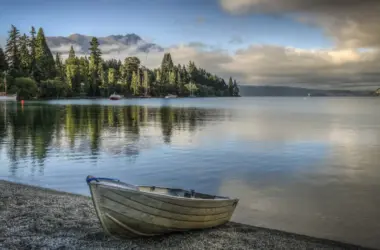
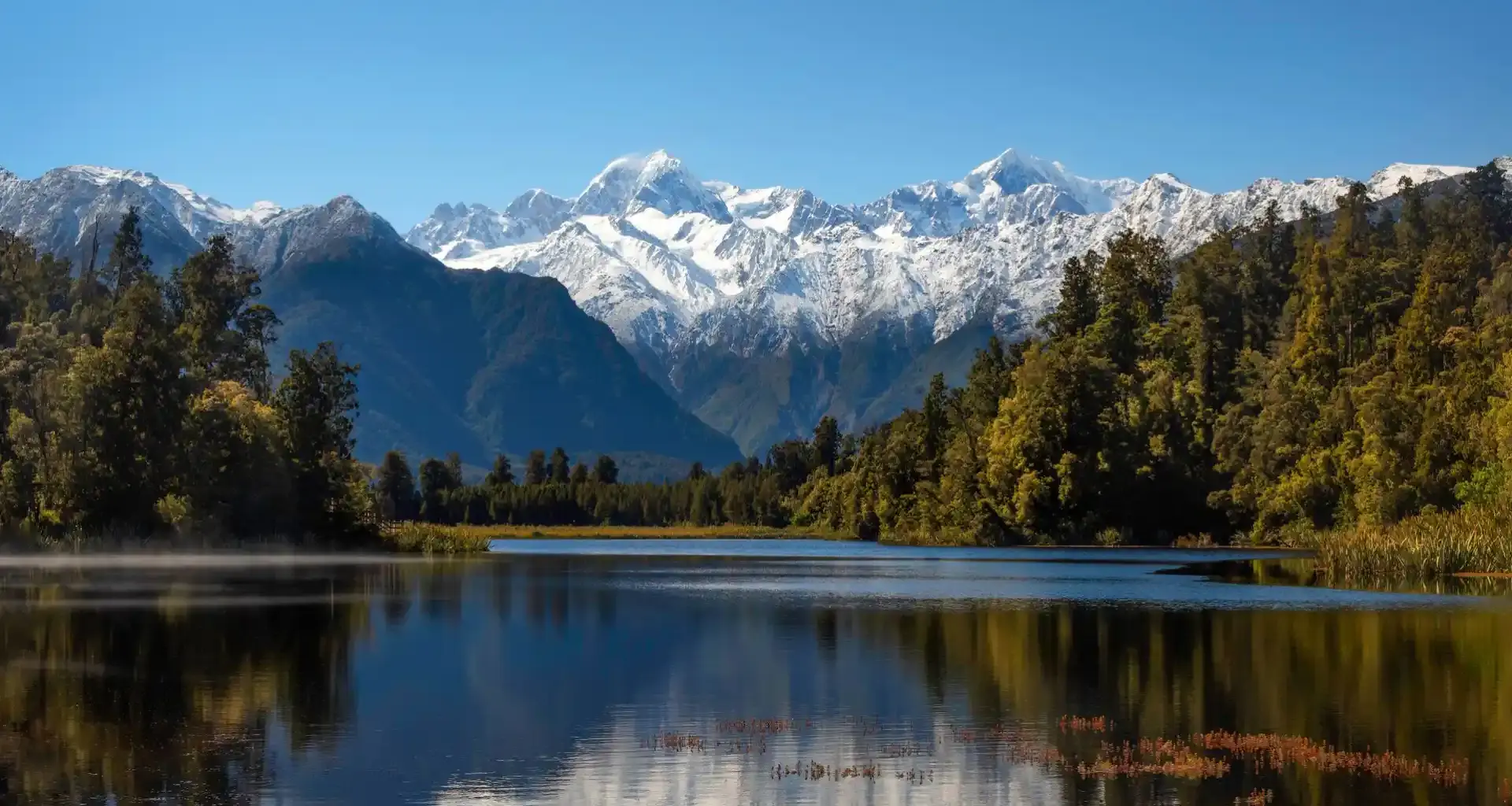
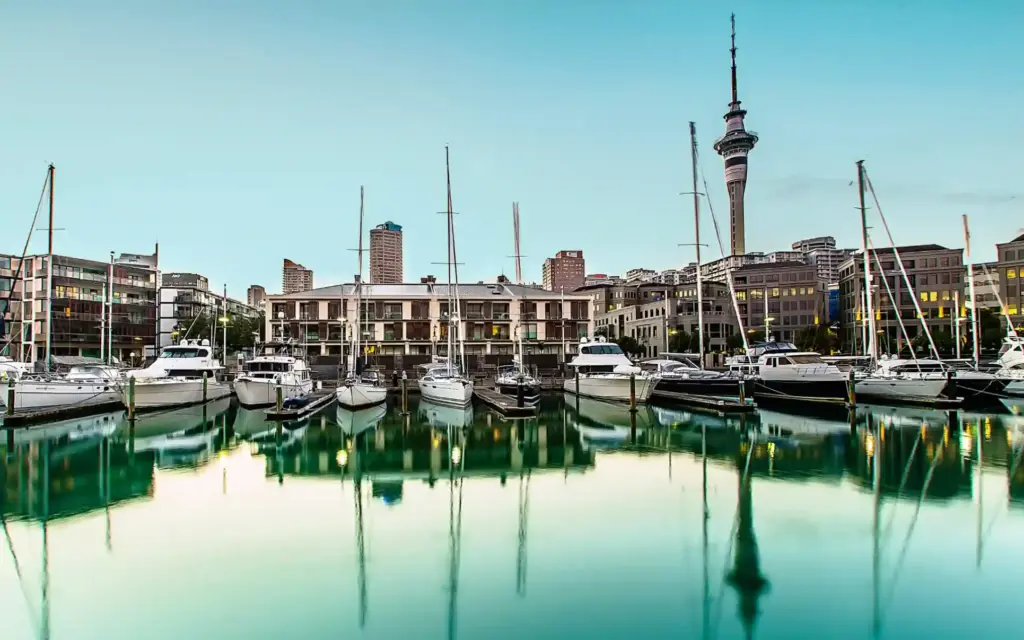
Let’s get this out of the way first, New Zealand is mostly beautiful. In many places, extraordinarily so.
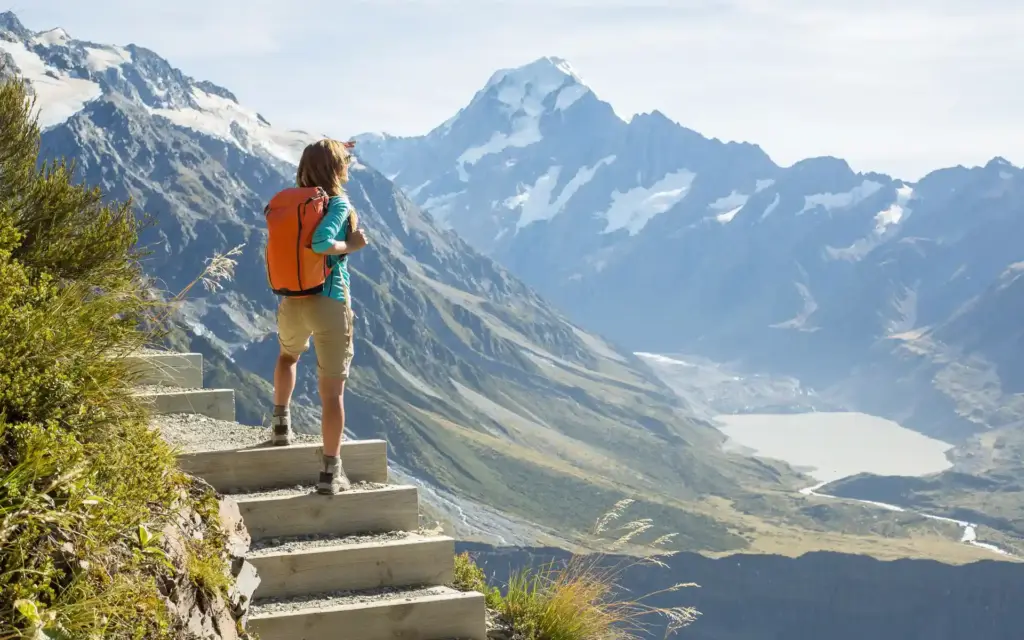
I’ve been fortunate enough to travel extensively, backpacking around the world even for a couple of years and I’ve seen some genuinely spectacular places. But Queenstown (and surrounds) in New Zealand’s South Island is truly a special place. It’s the kind of landscape that stays with you forever.
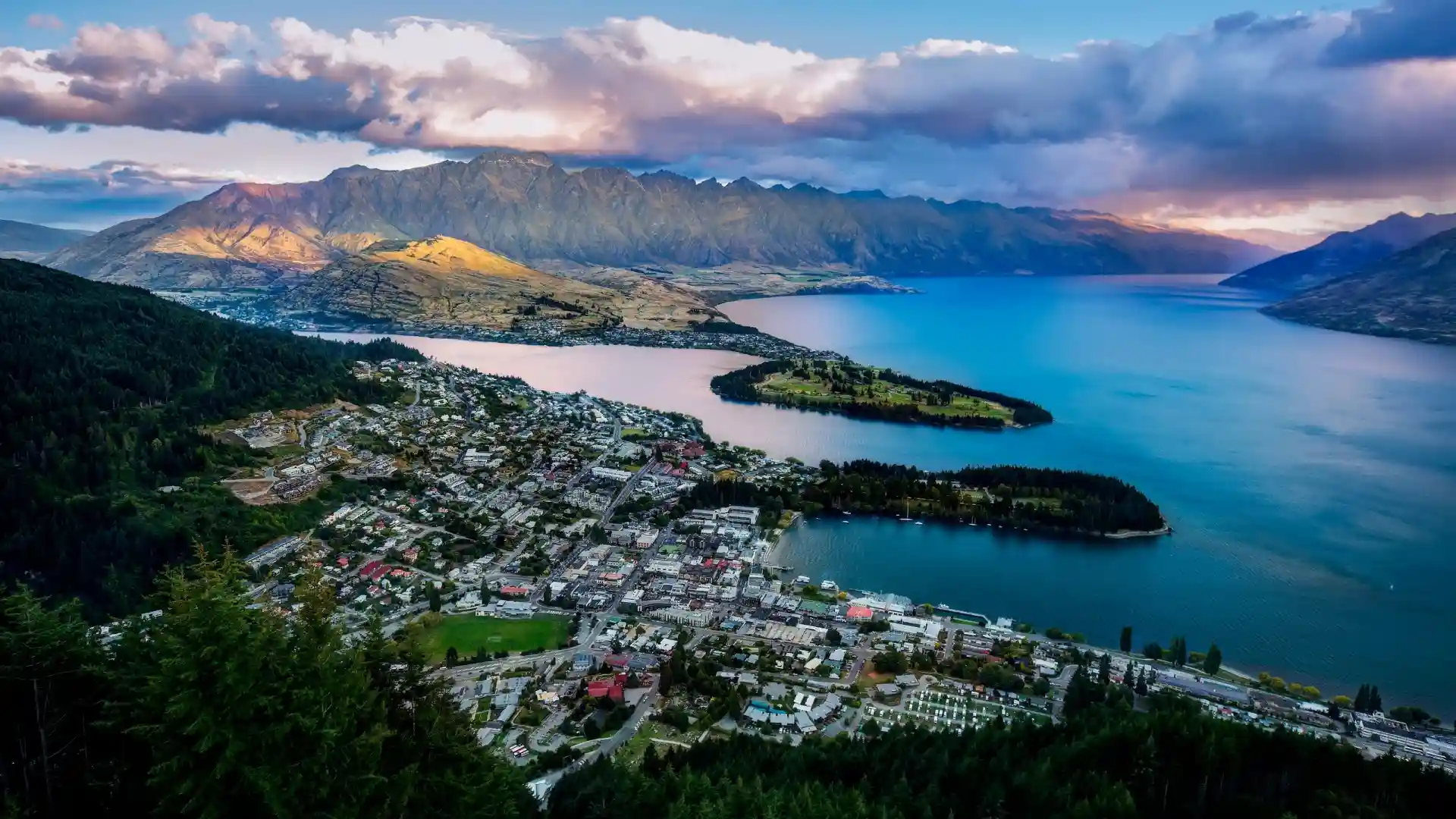
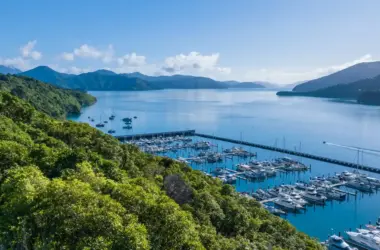
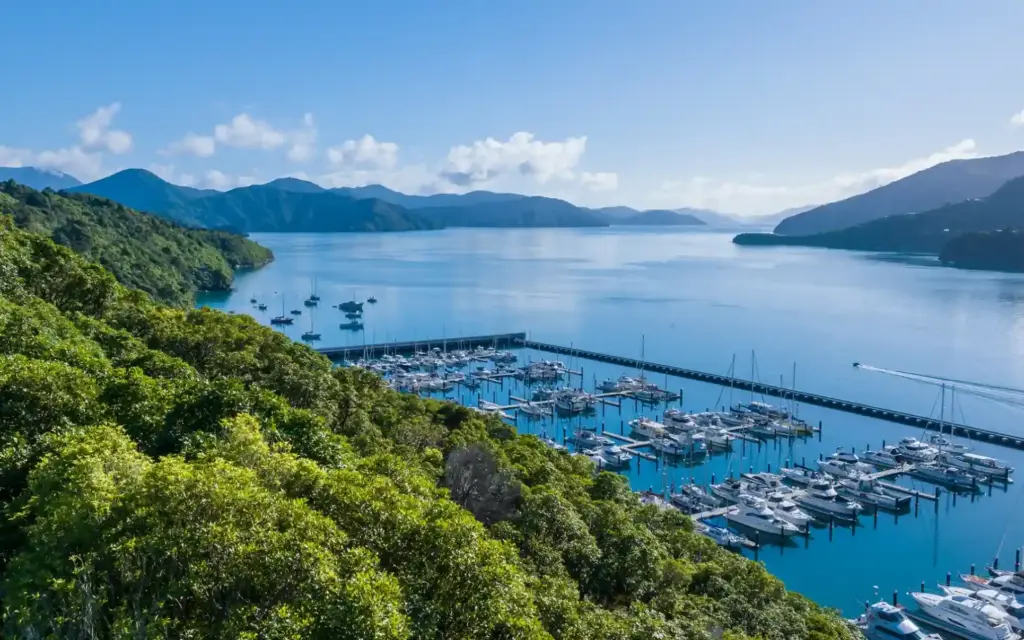
I don’t live there though; I’m not built for cold winter weather anymore. I’m just north of Auckland where the climate is friendlier and you’re close enough to the country’s main hub of activity. And another favourite is the Bay of Islands, where I lived for several years, stunning marine environment and perfect for sailing and diving, another passion of mine.
2.2 Space and quiet
If you like having breathing space, this is the place.
One of the biggest surprises for me was how much Kiwis still gravitate toward the cities, even though the rural areas are arguably the best part of the country. For me, I bought a private lifestyle block and built a nice house on it, a place where my dogs can run and we can relax in privacy – perfect.
2.3 Safety
New Zealand really is one of the safest countries in the world.
Definitely not perfect, I don’t think anywhere is, but I can tell you, it feels safer compared to many places I travel to.
2.4 The people
Generational Kiwis are some of the most honest and trustworthy people you’ll meet. Friendly too. Their sense of humour is very different to my English dry humour, so I had to tone down that a lot. Lesson learned!
There’s no class system here, and it might be the only country in the world where someone with no perceived status can become the commodore of a yacht squadron. It’s also a place where a person with little work experience can rise to become Prime Minister. Opportunities are open to literally everyone who works for it.
2.5 A brilliant place to raise kids or slow down later in life
My kids grew up running around outdoors, actually living life rather than staring at screens all day. They all played sports regularly, and in summer they were often found at the beach. Kiwis love competitive sports: Rugby, Cricket, Netball, Football, you name it, it’s here and accessible to everyone.
We never worried about their safety, and many children can still walk to school. That alone, I think, justifies my decision to live here for the past 25 years.
Over the years, I’ve met many people, including Germans, Americans, and Australians, who have retired here for the calm, the space, and the slower pace. In my opinion, if you already have wealth, there are few places in the world where you can live better.
3. The Cons: The Side You Don’t See on Instagram
3.1 It’s far. Really far.
This was the single biggest adjustment for me. You can’t pop to Europe for a long weekend; you can barely pop to Australia without a nine-hour door-to-door mission. That’s how long it takes me when visiting clients in Sydney.
A flight to London is well over 24 hours – in reality 30 plus hours travel time, and no amount of legroom makes that enjoyable. I do love leaving the country for pastures new, but equally I enjoy arriving back.
3.2 A young country with little old architecture
If you love old buildings, European streets, or cities where history is layered upon history, you’ll miss that—I know I do. That’s why I travel back to Europe as often as I can; it reconnects me with things New Zealand simply doesn’t offer.
3.3 The building standards… well…
This topic is important to me. After 35 years in the building and construction industry, I believe it’s something worth understanding if you’re planning to build.
New Zealand’s building sector operates quite differently from Europe. I’d estimate we’re 30 to 40 years behind in the building systems and practices commonly used there. So, what does that mean?
- A lot of homes are poorly insulated, cold and damp
- The building process is slow and very expensive, and getting worse, not better.
- Innovation gets stuck in council approval limbo
- Red tape protects outdated practices and supply chains
More than 50% of homes are considered too unhealthy to live in, and that is not my opinion but the assessment of Asthma NZ.
Thinking about building? Start with the right building consultant, not an architect. I’ve seen too many people spend a lot of money unnecessarily, only to learn the hard way that they didn’t end up with the home they expected.
3.4 Limited career opportunities
It’s one of the main reasons so many young Kiwis head to Australia, the UK, Europe, or the US: higher salaries, bigger companies, more variety, and more opportunities.
New Zealand offers an incredible lifestyle, but it doesn’t always deliver when it comes to career acceleration.
In the year to April 2025, more than 130,000 people left New Zealand long-term, a new record. Of these, 81,200 were reported to be New Zealand citizens. That’s a significant amount of talent moving overseas for better career prospects and lower living costs.
It’s a real problem the government has failed to address. The population of New Zealand at the time of writing this article is estimated to be 5,324,700.
This loss of skilled workers is hurting businesses and consumers alike. As a business owner, I find this deeply concerning.
3.5 Politics and red tape
New Zealand has a three-year election cycle, which creates interesting challenges for long-term planning. Momentum often resets with each government change. Coalition governments, which are common here, mean consensus-building takes a very long time.
For a population of five million, we have quite a complex governance structure with central, local, regional, and council layers that do not coordinate as efficiently as they should. It is one of those structural realities that shapes how quickly things happen here. You see this in:
- poor infrastructure
- persistent housing affordability shortages
- limited real innovation
- endless bureaucracy and red tape
- a lot of committees and consultation… and not a lot of action
3.6 Costs creeping up
For a country that can produce food incredibly efficiently and affordably, you’d expect food to be cheap. It isn’t.
New Zealand grows high-quality produce, but a lot of it goes offshore, and seems expensive by global standards.
On top of that:
- council rates are very high for what many people feel the services they receive in return
- taxes keep nudging up
- unemployment has been rising
- and crime has followed, still low by global standards, but noticeably higher than when I first arrived
New Zealand is one of the few countries in the world with the potential to be entirely self-sufficient in energy generation and natural resource utilisation. Yet this remains a largely untapped opportunity, caught up in political sensitivities that have stalled meaningful progress.
The revenue from responsibly developing these resources could meaningfully contribute to better healthcare, education, infrastructure, and innovation. With proper management and modern extraction practices, the environmental footprint could be kept to a minimum.
Perhaps most compellingly, it could provide a credible pathway to reducing our national debt.
The question I keep coming back to: will we ever see leadership with both the vision and the competence to make this happen?
4. Everyday Life: What It Actually Feels Like
4.1 Cost of living
New Zealand grows incredible food but somehow charges a premium for it.
Imported goods? Double the price.
Technology? More expensive.
Fuel and road usage charges? Painful.
Council rates? Bewildering.
Public transport? Limited.
It all adds up, and it catches new arrivals off guard.
4.2 Education
Education here is… fine.
Normally good in the right catchment areas.
Public schools in good areas do a decent job, sometimes better than private schools.
Private schools cost a lot and don’t always offer what you’d expect for the price.
My experience would suggest public schools on the whole offer better sporting opportunities and competition.
4.3 Safety (yes, again)
It deserves repeating: New Zealand is still one of the safest places you can live.
Many areas don’t even have a police station. I’m not sure if that’s by design though.
4.4 Healthcare & Medical Reality
New Zealand’s healthcare system is a bit of a mixed bag, and definitely something worth understanding before you move here.
The good news? Emergency care is excellent. If something serious happens, you’ll be looked after without the financial devastation you’d see in some countries.
But for everyday medical needs, this is where the cracks show. Wait times can be very long, especially for publicly funded specialist care. Months can turn into a year or more. GP appointments aren’t cheap, and it’s becoming harder to even enrol with a doctor in some areas because clinics are at capacity.
There’s a shortage of specialists, and many highly skilled medical professionals leave for Australia where the pay is significantly higher.
Unfortunately, the government hasn’t invested heavily enough in modernising or expanding the system, and you feel that when you live here long-term.
A lot of families end up using private medical insurance to get timely access to scans, surgery, or specialist appointments. It’s an added expense, but for many it’s become necessary rather than optional.
That said, the public system can deliver excellent care if you’re lucky enough to get the right doctor or specialist. There are brilliant people working in it: the challenge is the inconsistency and the wait times, not generally the quality of care itself.
Bottom line: expect to navigate both public and private systems to get what you need when you need it, but don’t write off the public system entirely.
4.5 Social life and integration
This isn’t unique to New Zealand, and it’s true of most countries. Making deep friendships as an adult immigrant takes time, wherever you land.
Kiwis are genuinely friendly and helpful, but their social circles often run deep through school, sport, and family connections that go back decades. That’s not a criticism, it’s just how established communities work. I’ve lived in around 10 countries for extended periods, and I think it’s quite hard to make really deep meaningful friendships in most places once you’re an adult, but it’s quite easy to make friends.
Most of my closest friends here are fellow Europeans, with a handful of Kiwis I’ve come to know well over the years. That’s fairly typical. Expat communities tend to bond quickly because everyone’s navigating the same adjustment.
If you’re moving with a partner or family, it’s easier. If you’re arriving solo, expect to put in some effort. Join clubs, say yes to invitations, and give it time. New Zealand has strong sporting and community club culture, so there are plenty of entry points if you’re willing to show up.
There’s also been a broader shift in general trust over the 25 years I’ve been here. When we first arrived, nobody locked their doors. That’s changed. Most people do now. I don’t think that’s unique to New Zealand either, it feels like a global shift. The openness and implicit trust that once defined smaller communities has faded somewhat, here and everywhere else I suspect.
5. Business and Entrepreneurship

5.1 Easy to start, hard to grow
Starting a business here is refreshingly easy and inexpensive, you can get something off the ground faster than in most countries.
Growing it is where the challenge begins:
Talent is limited.
Australia pays better.
And the cost-of-living pushes wage demands up.
Little or no government grants
Very little angel investment and unsophisticated VC network.
Australia in comparison opened their first Ikea store 50 years ago!
Corruption is generally low, though the construction and building sectors can be surprisingly expensive, sometimes beyond what the market friction alone would explain.
Venture capital and angle investment needs much improvement.
5.2 Innovation takes patience (a lot of it)
Unfortunately, New Zealand’s councils favour traditional building systems over more efficient and sustainable European equivalents, which means innovation moves cautiously, even glacially.
The regulatory framework naturally leans toward what’s already familiar, and established suppliers have significant influence.
Government investment in innovation is almost non-existent. However, for those who can secure private funding and persist, New Zealand offers huge potential for testing new ideas before launching products in other countries.
6. Lifestyle: The Trade-Off
6.1 What you gain
- Safety
- Space
- Nature
- A relaxed pace
- A proper sense of community
- Good local food and wine – and a growing craft beer community.
- Long summers
- Easy access to recreational sports and clubs.
6.2 What you give up
If you’re coming from Europe, you’ll miss:
- Spontaneous travel
- Historic architecture
- Cultural variety
- Cheap flights and weekends away
- Regular physical contact with friends and family.
Australia is next door and culturally similar: higher salaries, more career paths, and a bigger market. Many Kiwis head there first. Just comes with different trade-offs, and yes, slightly more wildlife that bites.
6.3 Climate
New Zealand’s climate is mild, and summers can be brilliant.
Winters? Long, cold, and wet in many places.
And the weather changes fast, genuinely four seasons in a day.
You learn to dress like you’re ready for anything.

7. So… why did I stay?
I made the move to New Zealand 25 years ago to raise a family and start a new business, and overall, I believe I made the right choice.
Yes, New Zealand is glacially slow.
Yes, some things feel decades behind.
Yes, it sometimes feels broken.
Yes, I love leaving it for Europe, but I also love arriving home.
Yes, too many of our councils and ministries operate with too little experience and outdated mindsets.
The fact IKEA is only opening its first store here in late 2025 says a lot about how big corporates view the New Zealand market and how long things take to happen. Australia in comparison opened their first Ikea store 50 years ago – and HSBC was the first global bank to pull its retail banking division out of the country a few years ago.
But this place has mostly good people.
It has character.
It is a safe haven.
It has a sort of balance that’s hard to find anywhere else in the world at the moment.
The global perception of New Zealand is a clean and green country, but the reality isn’t quite that.
Yes, even after 25 years I still miss a good English pub and its humour, a hot Indian curry, good football, and the old European architecture. But I’ve swapped that for happy kids and a happy wife, which, as any married man will tell you, makes everything else considerably easier.
For those with financial backing, New Zealand remains an excellent place to build a life on your own terms, whether that’s establishing a primary home, creating a holiday base, or setting up a dependable plan B in a country that feels honest, safe, and grounded.
If you’re young and looking for an affordable home, a good income, and clear career progression, I think there are currently better countries to start out in. It’s not impossible, but you will need a lot of luck.
Yes, New Zealand can feel like a country with the brakes firmly on, as though it’s lost in time, but for many people, that’s exactly the appeal.
Related
Property Services: Find, Buy, Build with Property Independent New Zealand